What is systems integration, and how long does it take?
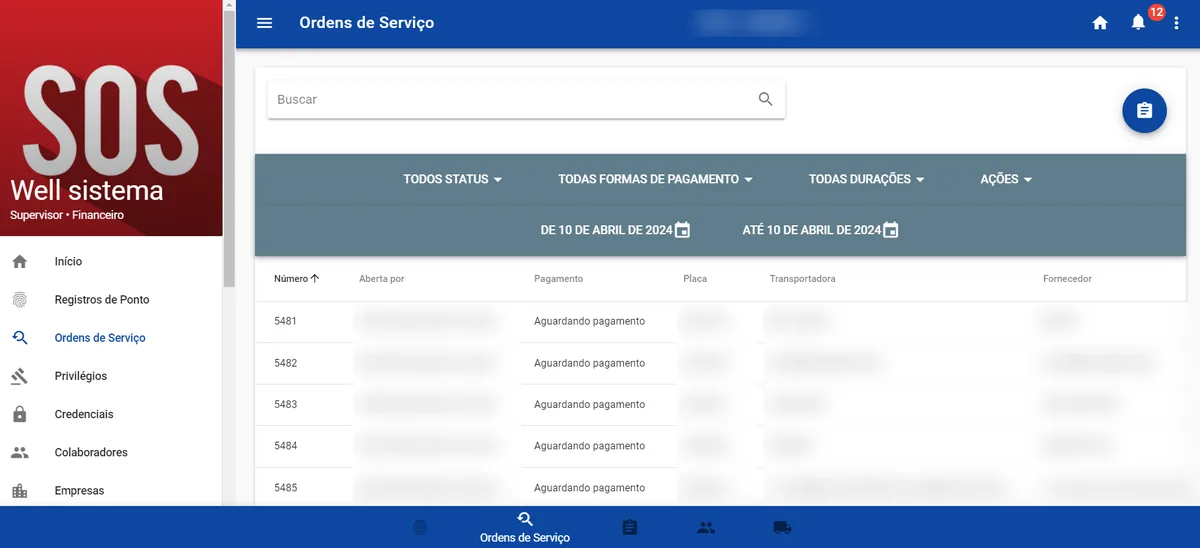
Systems integration means making the software your company already uses (ERP, e-commerce, CRM, accounting and banking) talk to each other, so the same data never has to be typed twice. At Devuptime, an integration project typically takes 4 to 12 weeks, depending on how many systems are involved and how complex the rules are.
Signs your company needs integration
- The same data is typed in two or three places. An order comes in through the online store, someone retypes it in the ERP and again in the shipping system.
- Reports don't match across systems. Finance shows one number, sales shows another, and nobody knows which one is right.
- There's a “bridge” spreadsheet that someone exports from one system and imports into another every week.
- Typos turn into losses: orders with the wrong quantity, duplicate charges, products sold without stock.
- Information arrives late. Leadership only sees results after someone consolidates everything by hand.
What we integrate
We connect practically any system that exposes an API or allows file exchange:
- ERPs: from the packaged product you already use to a custom ERP.
- E-commerce and marketplaces: orders, inventory and prices synced in both directions.
- CRMs and marketing tools: a lead that comes in through your website lands in the pipeline without anyone copying and pasting. We did this for Better Maids in New Jersey, whose website feeds their CRM.
- Accounting and invoicing: invoices generated from the order, with no retyping, following your local tax and invoicing requirements.
- Banks and payment providers: automatic reconciliation of payments received.
- Shipping and carriers: rate quotes, label printing and tracking inside your own workflow.
- Spreadsheets and legacy systems, including the old ones nobody wants to touch but the operation still depends on.
How pricing works
What influences the price most is not the number of systems, but how many business rules the integration has to respect and whether the systems involved have a decent API. As a reference for timelines, a simple integration between two systems with APIs typically takes 4 to 6 weeks; one with business rules and validations, 6 to 10 weeks; multiple systems or a legacy system with no API, 8 to 12 weeks.
After the mapping step you receive a written proposal with the data flows covered, the timeline and a fixed price. Ongoing monitoring and maintenance are optional and quoted separately.
How we run an integration project
- Mapping: we list which systems exist, which data needs to move between them, in which direction and how often. This is where the rules nobody documented come to light.
- Technical analysis: we check what each system allows, whether a ready API, direct database access or file exchange. That's what defines the real timeline and cost.
- Development and testing: we build the integration and test it with real data, including failure cases: what happens if one system is down.
- Monitoring: an integration nobody watches is one that fails silently. We deliver with error logging and alerts.
What usually goes wrong, and how we prevent it
Most integration projects that fail do so for two reasons, and neither is technical:
Undocumented rules. “In that case we always do it differently” is the sentence that shows up after the integration is finished. That's why mapping is the longest step in our process, not coding.
Silent failure. The integration stops working on a Saturday and nobody notices until Monday, when the store has already sold stock it didn't have. Every integration we deliver logs what went through and sends an alert when something fails.
Typical integration examples
- Online store to ERP: each new order creates the sales order, reserves stock and triggers the invoice, with no one retyping it.
- Website form to CRM: every lead arrives in the pipeline with its source, so sales can follow up the same day and marketing knows which channel worked.
- Payments to accounting: payments received are matched to open invoices automatically, and the exceptions land in a short list for someone to review.
- ERP to dashboard: sales, inventory and cash numbers consolidated in one place, updated without anyone building the report by hand.
What goes into the contract
- The systems and data flows in scope, the timeline and the price, in writing before we start.
- Source code and credentials in your company's name.
- An NDA covering your systems and data.
- A bug-fix warranty, 90 days by default.
Need to connect your systems? Send us a message and we'll reply within one business day. See also our business management software page.